
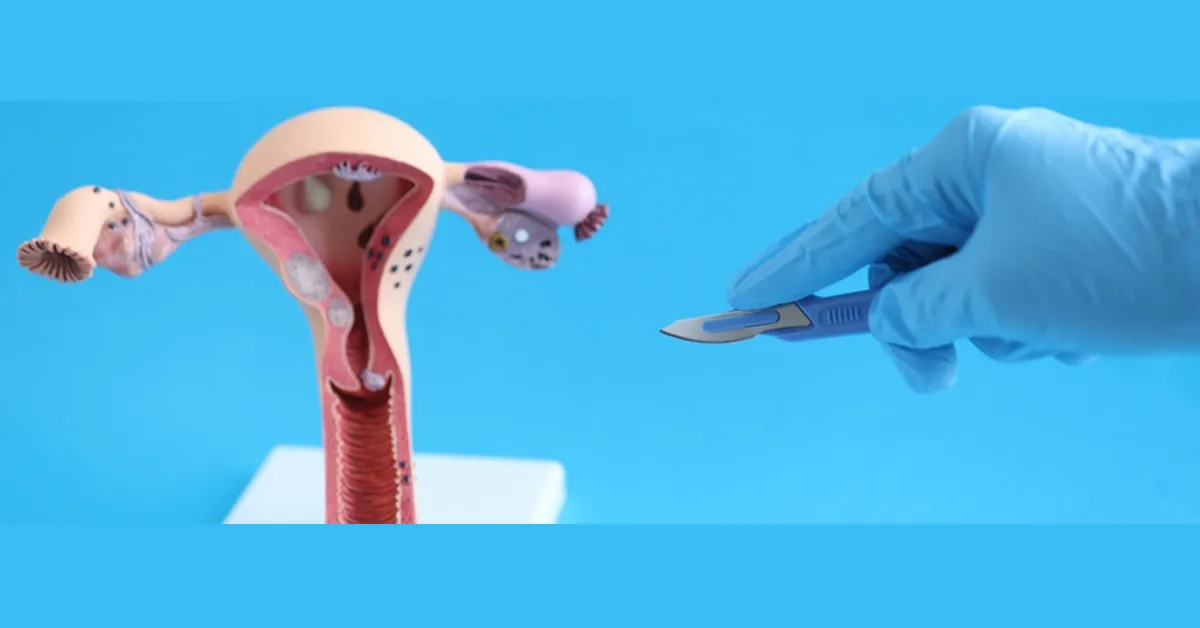
Reproductive surgery is a specialized branch of medicine that focuses on treating fertility issues in both men and women. Think of reproductive surgeons as fertility mechanics—experts who help "fix" and maintain your reproductive system to support your family-building journey. Whether you're facing challenges with conception or need surgery for birth control purposes, reproductive surgery can play a crucial role in helping you achieve your goals.
Fertility Issues in Women
Several conditions can make it more difficult for women to conceive. Reproductive surgery can address common fertility challenges such as:
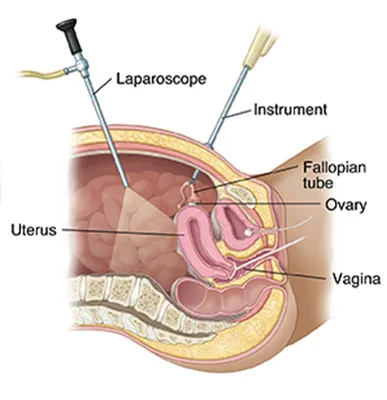
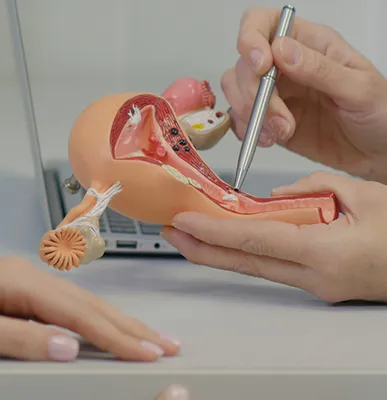
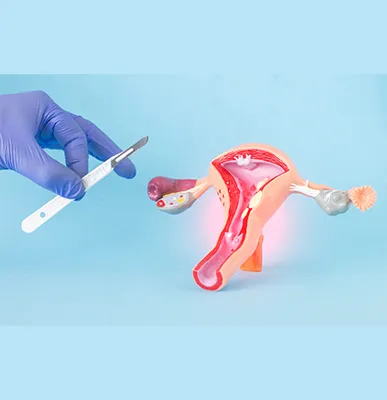
Reproductive surgery for women can be performed using advanced techniques, which result in smaller incisions, less pain, and quicker recovery times.
Hysteroscopy -
“Looking Inside the Uterus” Hysteroscopy is a minimally invasive procedure that uses a thin, flexible tube with a camera to view the inside of your uterus and check your fallopian tubes. Through this procedure, we can also treat certain conditions, such as removing fibroids, polyps, or scar tissue.
Laparoscopy -
“Tiny Incisions, Big Results” Laparoscopy, also known as keyhole surgery, involves making small incisions in your abdomen and using a camera to view the inside of your pelvis. This allows the surgeon to treat conditions like endometriosis, fibroids, and ovarian cysts with minimal discomfort and faster recovery.
Mini-Laparotomy -
“A Small Window to Fix Big Problems” In some cases, a small incision just above your pubic area is made to allow access to reproductive organs that can't be reached with laparoscopy. This procedure is still minimally invasive and allows for effective treatment of certain fertility issues.
Men also face fertility challenges, and reproductive surgery can help with conditions affecting male fertility. Some common issues that can be treated include:
Reproductive surgery offers numerous benefits, including:
Whether you're struggling with fertility issues or considering surgery as part of your family-building journey, reproductive surgery can provide solutions to help make your dreams of having a family a reality. Our team of expert reproductive surgeons is here to guide you through every step, from diagnosis to post-surgery care, ensuring the best possible outcome for your future family.
Feel free to reach out and learn more about how reproductive surgery can support your fertility goals and help you build the family you’ve always wanted!
We do several types: removing fibroids or cysts, fixing blocked tubes, treating endometriosis, and helping with PCOS. Some are simple procedures done through small cuts, while others might need a bigger surgery.
It depends on your surgery type. For simple procedures (like hysteroscopy), you can go home the same day and return to work in 2-3 days. Bigger surgeries might need 1-2 weeks rest. We'll tell you exactly what to expect for your case.
Surgery can improve your chances, but there's no guarantee. For example, removing fibroids often helps with pregnancy chances, but other factors like age also matter. We'll discuss your personal situation and chances before any surgery.
Usually, we find this out through tests like ultrasound or HSG (tube test). If you have painful periods, irregular bleeding, or trouble getting pregnant, these might point to conditions that surgery can fix.
Most women need to wait 2-3 months after surgery before trying for a baby. This gives your body time to heal properly. Some surgeries might need longer waiting time - we'll give you a clear timeline for your case.
