
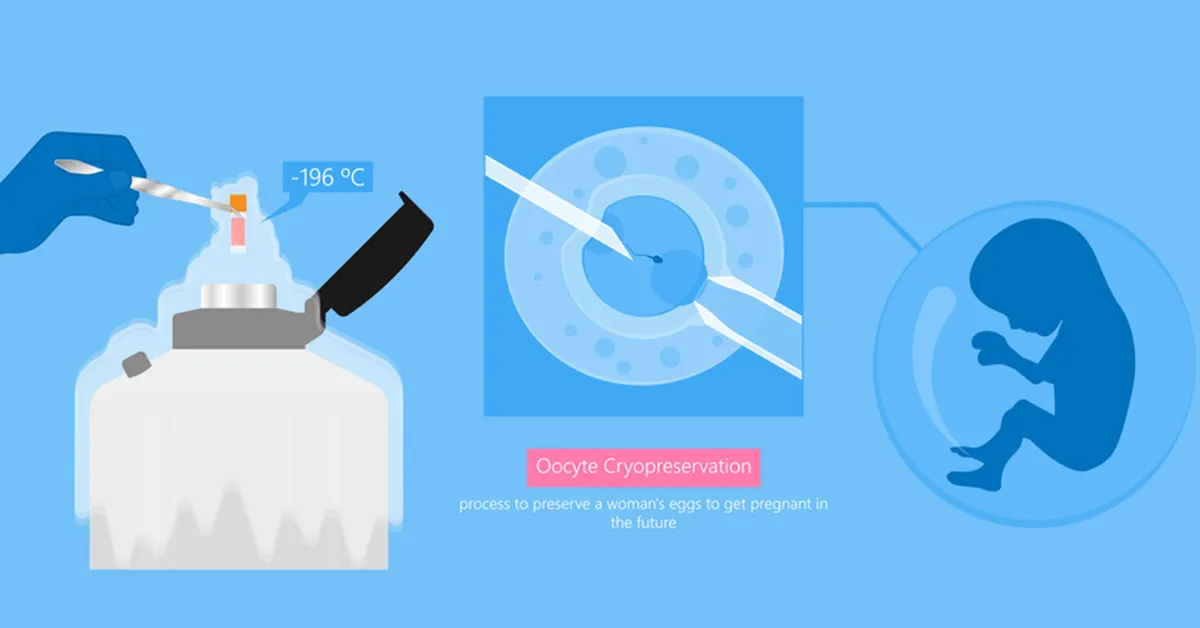
Egg freezing, also known as oocyte vitrification, is an advanced fertility preservation option that allows you to pause your biological clock. By freezing your eggs (oocytes), you can secure your fertility at its current age and have the option to use them later when you're ready to start a family. This process acts as a snapshot of your fertility, giving you more control over your reproductive future.
Egg freezing is a fascinating process that involves several key steps:
One of the biggest concerns women have is whether children born from frozen eggs are as healthy as those conceived naturally. The good news is that studies show babies born from frozen eggs have the same health outcomes as those conceived naturally or through traditional IVF. The risks of birth defects are no higher than with any other pregnancy.
However, like all medical procedures, there are no guarantees. Nature can be unpredictable, and the success of egg freezing can depend on various factors such as age and egg quality.
Egg freezing is becoming an increasingly popular option for many women, and here are some reasons why:
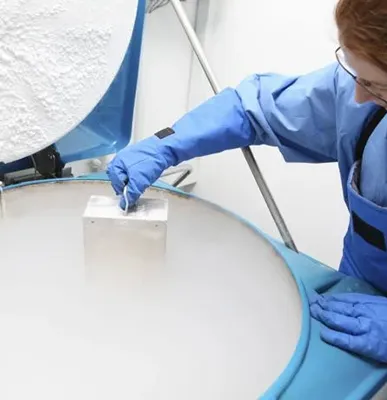
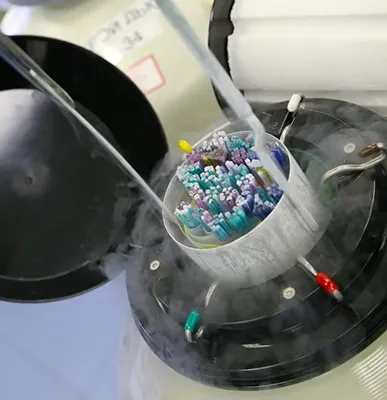
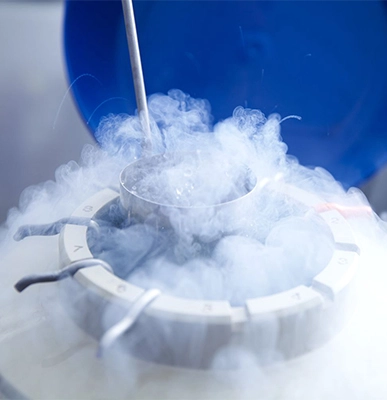
The science behind egg freezing has come a long way. Today's rapid-freeze method (vitrification) is much more effective than older, slower techniques. By using fertility medications, we can help you produce multiple eggs in one cycle, giving you more opportunities for successful pregnancies in the future.
If egg freezing doesn’t feel like the right fit for you, there are other fertility preservation options to consider:
While egg freezing is still a relatively new technology, we’ve seen many successful pregnancies from frozen eggs. Most of these pregnancies involve using eggs within months after freezing, rather than many years. Your fertility doctor can help you determine if egg freezing is the best option based on your personal health and family goals.
We are here to help you navigate the egg freezing process and support you in making informed decisions about your fertility options. Our team of experts will guide you through each step, ensuring that you feel confident in your choice to preserve your fertility for the future.
It's a way to preserve your fertility for the future. We collect eggs from your ovaries and freeze them using a super-fast freezing method called vitrification. Think of it like pressing a pause button on your fertility - your eggs stay as young as they are today.
Most women say it's manageable. You'll take hormone shots for about 10-12 days. The egg collection takes about 20 minutes under light sedation. You might feel period-like cramps for a day or two after.
This depends on your age and family goals. If you're under 35, we usually aim for 10-15 eggs to have a good chance of pregnancy later. If you're older, we might suggest freezing more eggs. Each egg gives you about a 5-8% chance of having a baby later.
Your eggs can stay frozen for many years without losing quality. Once frozen, time stands still for them. Women have had healthy babies from eggs frozen for 10+ years.
Success mainly depends on your age when you freeze. Eggs frozen at 30 work better than eggs frozen at 38. About 7-8 out of 10 eggs survive thawing, and each surviving egg has a fair chance of becoming a baby. We can talk about your personal chances based on your age.
