
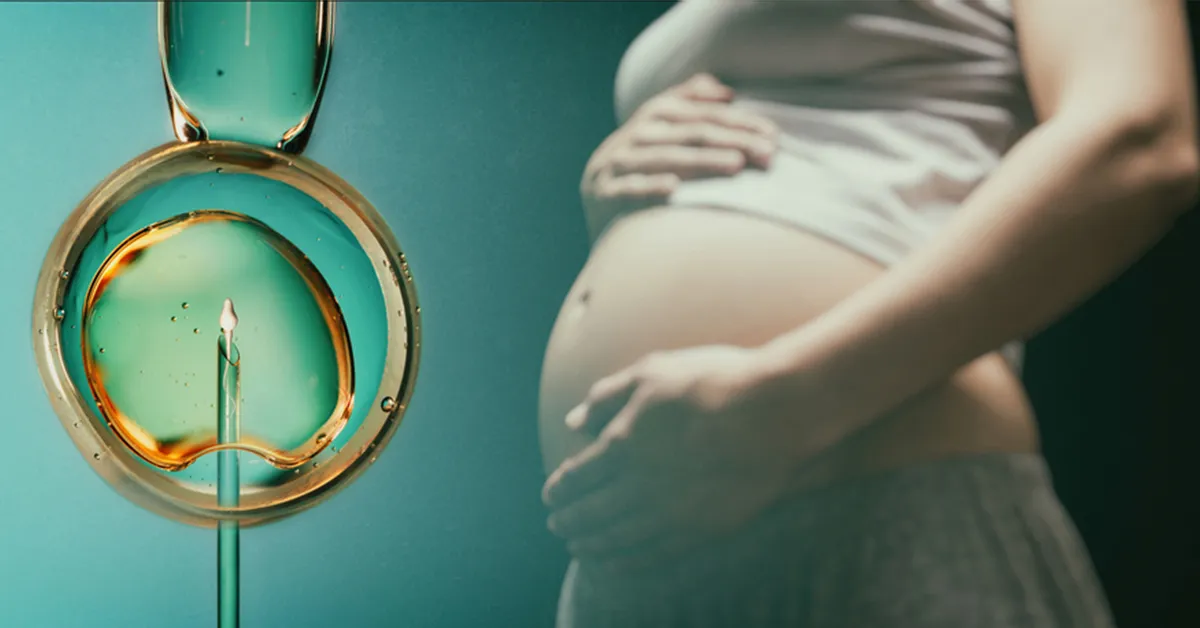
IVF (In Vitro Fertilization) is a process where eggs and sperm meet outside the body in a lab to create an embryo. Imagine it as setting up the perfect matchmaker between eggs and sperm. Instead of leaving fertilization to chance, we take control in our specialized laboratory. First, we carefully collect your eggs and combine them with sperm. When fertilization happens, and the egg starts developing into an embryo (a tiny bundle of cells), we transfer it into your uterus, where it can ideally implant and grow into a baby.
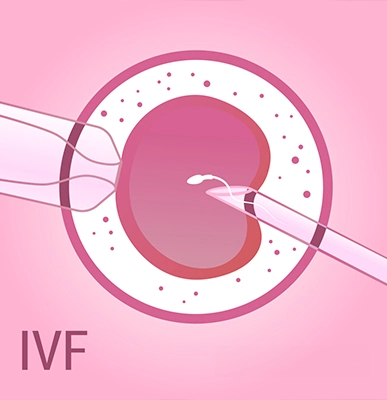
We typically allow the embryos to develop for 5 days until they reach the Blastocyst stage — the point where they’re strong and ready to move into the uterus. If you have several good embryos, we may freeze any extras for future use. Sometimes, if sperm quality is a concern, we use ICSI (Intracytoplasmic Sperm Injection), where a single sperm is injected directly into an egg to improve the chances of fertilization.
An IVF cycle usually takes 4-6 weeks, and here's what you can expect:
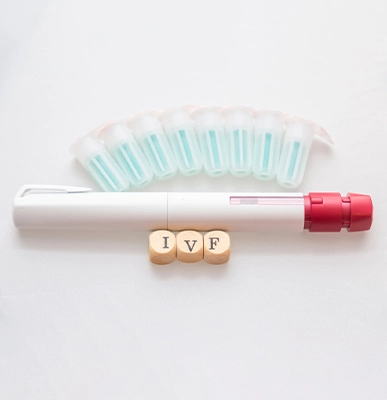
Think of this step as getting your body ready for a special event. You'll take hormone medications (usually through small injections) that stimulate your ovaries to produce multiple eggs instead of just one. Throughout this time, we monitor your progress with ultrasounds and blood tests to make sure your body is responding well.
This step is like a gentle harvesting process. Under light sedation, we’ll collect your eggs using a special ultrasound guide. This takes about 30 minutes, and after a short rest, you’ll be ready to head home. We'll also begin medications to help your uterus get ready for the embryo transfer.
Your partner provides a sperm sample, or we can use donor sperm if needed. We prepare it by selecting the strongest sperm for fertilization, ensuring the best chance for success.
In our laboratory, we introduce the eggs and sperm to each other. With ICSI, we may directly inject a single sperm into an egg to improve fertilization chances. We watch carefully as fertilization occurs and the embryos begin to grow.
Once the embryo reaches the right stage (usually day 3 or 5), we transfer it into your uterus using a soft, thin tube. Most women describe this step as feeling similar to a pap smear. Afterward, we begin the exciting wait to see if the embryo successfully implants.
If you have extra healthy embryos, we can freeze them for later use. This gives you the possibility of having future siblings without going through the full IVF process again.
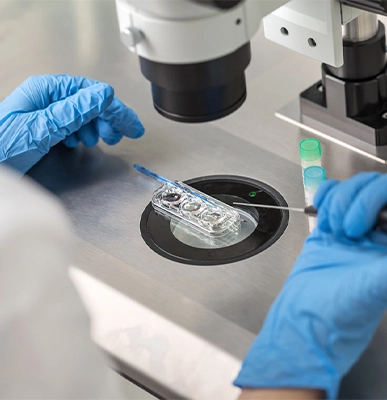
The embryologist evaluates any remaining embryos for cryopreservation (freezing). Embryo cryopreservation gives patients who wish to have another child the option to have an embryo transferred at a later date without having to complete another IVF cycle.
Two weeks after retrieval, a pregnancy blood test is performed. If this test is positive, the patient is considered four weeks pregnant.
While IVF is generally safe, it’s important to understand potential risks:
Important: Call Us Right Away If You Notice Any of These Symptoms:
IVF helps make babies outside the body. We take eggs from the mom, sperm from the dad, and help them meet in our lab. Once an embryo forms, we place it back in mom's womb where it can grow into a baby.
One IVF cycle takes about 2-3 weeks. This includes taking medicines, egg collection, and embryo transfer. You'll need a few clinic visits during this time.
Most steps are painless. You might feel some discomfort during egg collection, but we give you medicine to keep you comfortable. The embryo transfer feels like a regular check-up.
For women under 35, about 40% of IVF cycles lead to a baby. Age plays a big role - we'll discuss your personal chances when we meet.
You can go back to normal life right after embryo transfer. Just avoid heavy exercise and stay relaxed for two weeks while waiting for your pregnancy test.
