
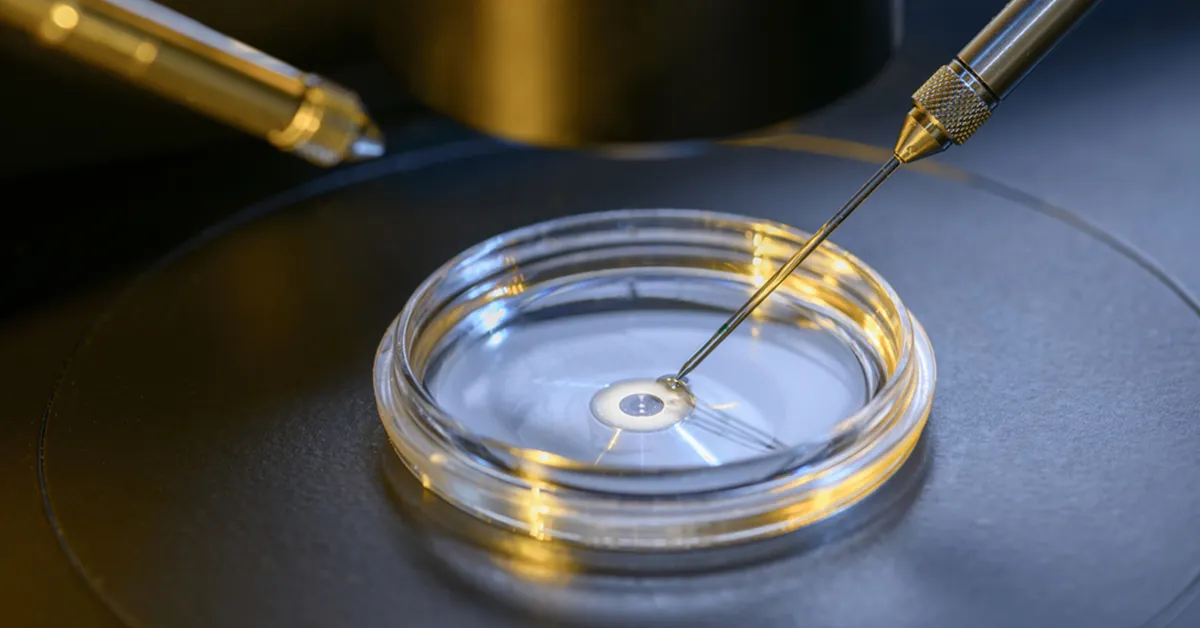
ICSI (Intracytoplasmic Sperm Injection) is an advanced form of IVF (in vitro fertilization), specifically designed to help sperm fertilize an egg. Unlike traditional IVF, where sperm naturally swim to the egg, ICSI involves directly injecting a single, healthy sperm into the egg. This technique is especially beneficial for couples dealing with male fertility issues. Though it works in tandem with regular IVF procedures—collecting eggs and preparing sperm—ICSI offers a more precise method of sperm and egg interaction.
ICSI is often recommended when sperm are having difficulty reaching or fertilizing the egg on their own. It provides sperm with a direct route to the egg, which can be crucial for certain fertility challenges. Your doctor may suggest ICSI treatment if:
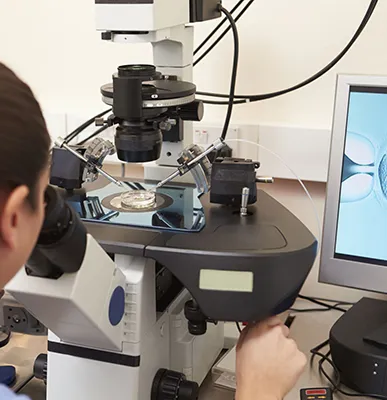
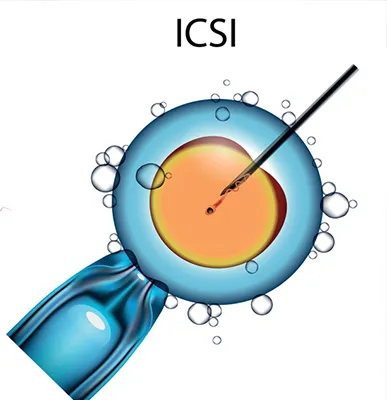
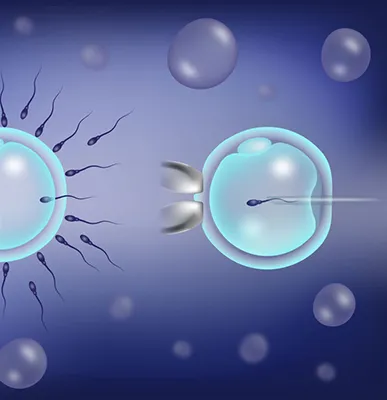
The ICSI process is similar to IVF but includes a more hands-on approach to fertilization. Here's how it works:
While ICSI has helped many couples achieve pregnancy, it does come with certain risks. Because the sperm is selected manually, there is a slight chance of choosing sperm with genetic issues that nature would typically filter out. While pre-implantation genetic testing (PGT) can identify many conditions, it can't catch everything. However, it’s important to note that thousands of healthy babies have been born through ICSI treatment, and for most couples, the benefits far outweigh the minimal risks.
Our doctor recommended ICSI after looking at your husband's sperm test. If you have low sperm count, poor sperm movement, or previous failed IVF cycles, your doctor might suggest ICSI too.
After collecting your eggs, the lab picked a single healthy sperm and injected it directly into each egg. You will resting at home when this happened - the lab work is done under a microscope by experts.
No! You couldn't tell any difference. The egg collection and embryo transfer felt exactly the same as they would in regular IVF. All the special ICSI work happens in the lab.
Every case is different. In your age group (under 35), about 50-60% of ICSI cycles lead to pregnancy. But remember, factors like age and overall health play a big role - talk to our doctor about your personal chances.
Not necessarily. Some couples only need it once, while others might use it for future cycles too. It really depends on how well the sperm and eggs work together. Our doctor will guide you based on your previous results.
