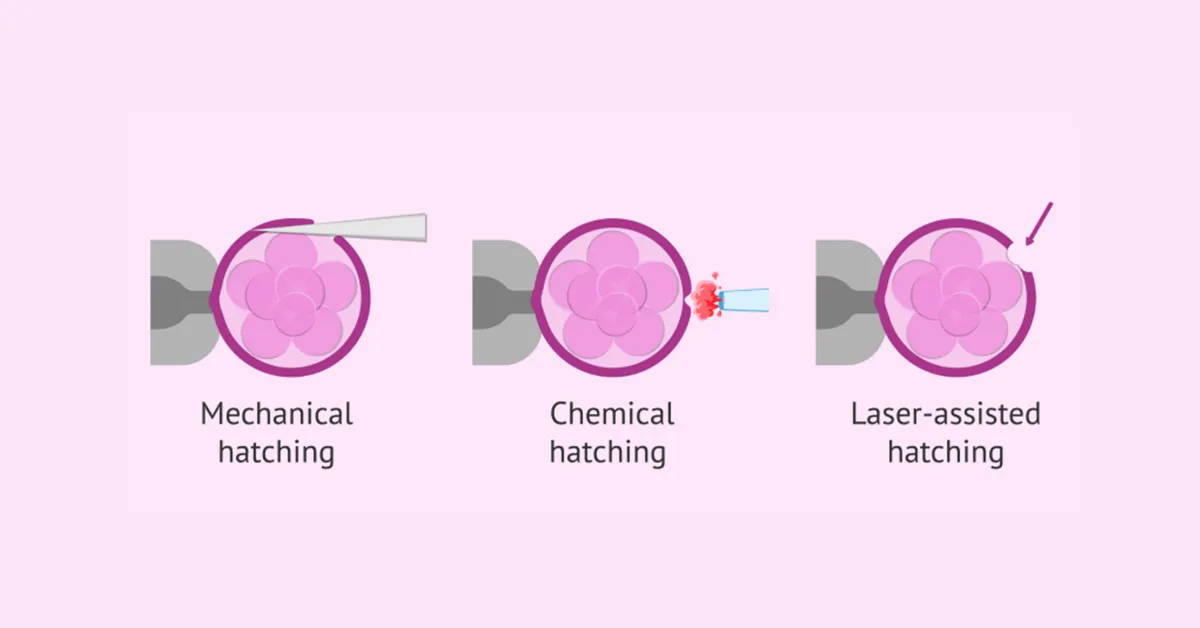
Laser Assisted Hatching (LAH) is an advanced technique used in IVF (in vitro fertilization) to help embryos successfully implant into the uterus. This procedure helps embryos break free from their protective outer layer, known as the zona pellucida, by creating a small opening using a precise laser. LAH can increase the chances of embryo implantation, especially for certain groups of patients facing specific challenges.
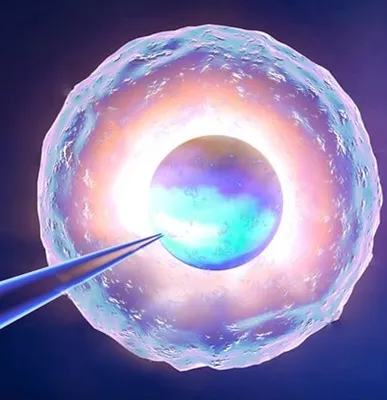
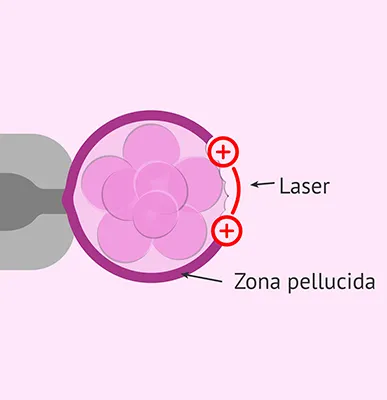
In the natural process of fertilization, the zona pellucida protects the egg and ensures only one sperm can enter. After fertilization, this protective layer becomes thicker, which helps safeguard the developing embryo. However, for successful implantation in the uterus, the embryo must break free from this outer layer, similar to a chick hatching from an egg.
During IVF, this protective shell can become tougher than usual, making it harder for the embryo to "hatch" naturally. This is where laser-assisted hatching comes in, offering a precise and effective way to assist with the process.
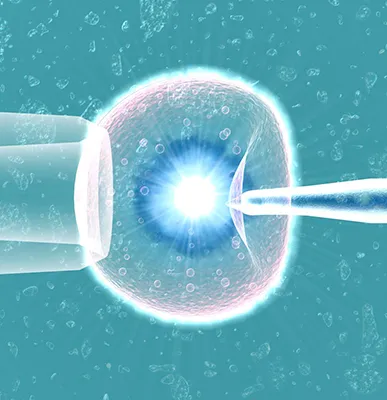
Laser hatching uses a highly focused infrared laser beam to create a tiny hole (around 10 to 20 microns in size – smaller than a human hair) in the zona pellucida. This allows the embryo to hatch more easily and increases the likelihood of successful implantation when transferred into the uterus. By facilitating the hatching process, laser-assisted hatching gives embryos a better chance of successfully attaching to the uterine lining, leading to a higher chance of pregnancy.
Not every IVF patient requires laser-assisted hatching, but it can be particularly beneficial for certain individuals. You may be a good candidate for LAH if:
Yes, laser-assisted hatching is a highly precise and safe procedure. The laser is used in a controlled, targeted manner to create a small hole in the embryo's shell, making the process less invasive and more effective. This gives your embryo the best possible chance for successful implantation and pregnancy.
Laser-assisted hatching is a valuable tool in IVF treatment, but it's not necessary for every patient. Your fertility specialist will evaluate your individual situation, including your age, hormone levels, embryo quality, and previous IVF history, to determine if LAH is right for you.
By incorporating laser-assisted hatching into your IVF plan, you can enhance the chances of embryo implantation and improve the odds of a successful pregnancy. Consult with your fertility doctor to discuss this advanced technique and see how it can help optimize your IVF journey.
Think of an embryo like a tiny ball inside a shell. We use a gentle laser to make a small opening in this shell, helping your embryo break out more easily when it's ready to attach to your womb. It's quick and doesn't hurt the embryo.
Not everyone needs it. We usually suggest it if you're over 37, have had failed IVF before, or if your embryos have a thick outer shell. We'll look at your personal case and discuss if it might help you.
No - the laser is super precise and only touches the outer shell. It's like making a tiny doorway. We've been using this technique safely for many years, and millions of healthy babies have been born after laser hatching.
You won't feel anything! It's done in the lab before we transfer your embryo. The whole process takes just a few minutes while you're getting ready for your transfer.
Just like regular IVF, you'll take a pregnancy test two weeks after embryo transfer. The laser just helps your embryo hatch - everything else stays the same. Nature takes its course from there.
