
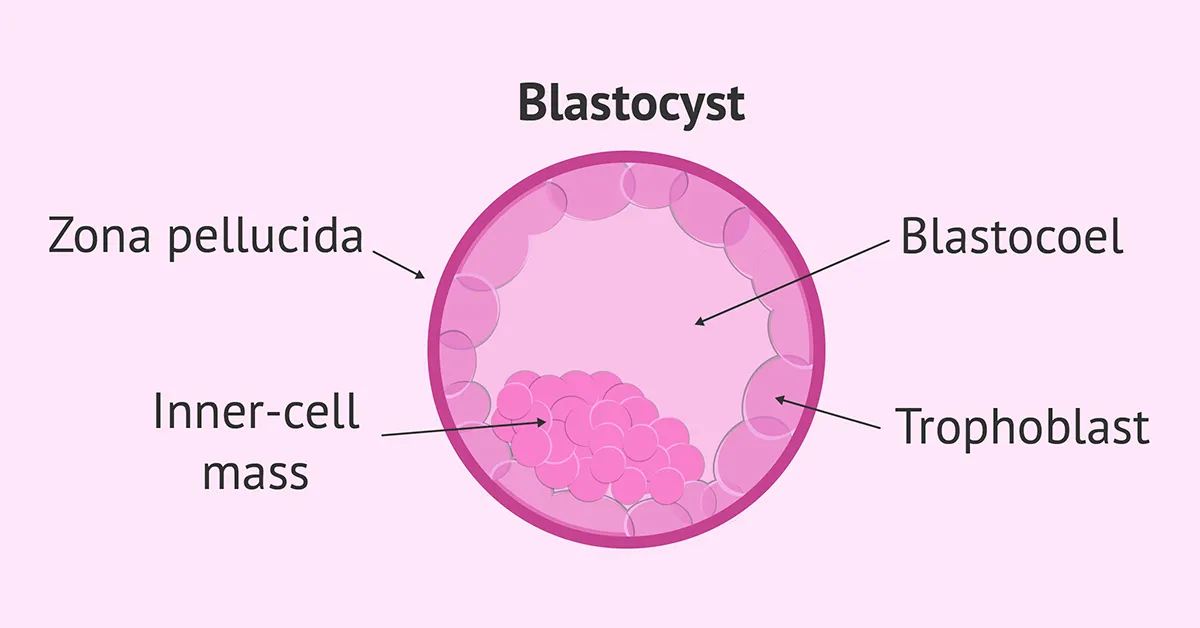
When you choose blastocyst culture as part of your IVF treatment, your embryos are grown for five days before being transferred to your uterus. This process can be done through a fresh embryo transfer or using frozen embryos. Think of this 5-day period as a natural selection process—it allows us to identify the strongest embryos, increasing the chances of a successful pregnancy. Just like a seed that grows into a sprout, only the strongest embryos survive the process, giving you the best chance for success.
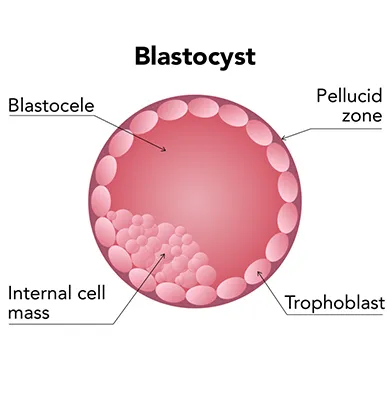
A blastocyst is a 5-day-old embryo that has two critical components:
Interestingly, only about 25-60% of embryos typically reach the blastocyst stage under lab conditions. This rate can vary based on factors such as lab environment or simply nature's way of selecting the strongest embryos.
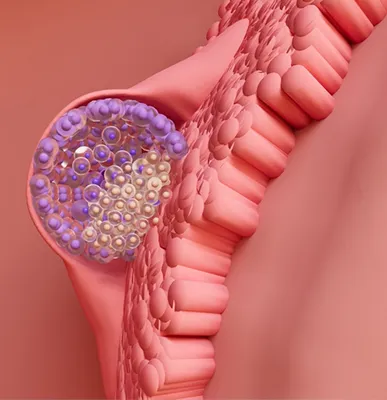
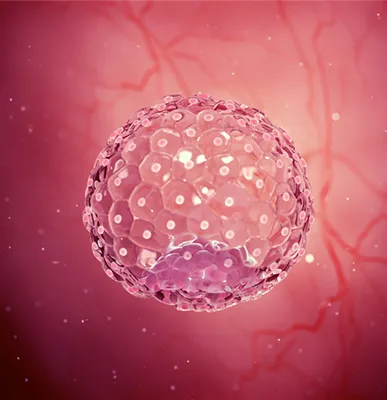
Choosing blastocyst transfer provides several key advantages in IVF:
While blastocyst transfer is an excellent choice for many, there are a few considerations:
Overall, if your IVF clinic is experienced in growing blastocysts and has a state-of-the-art lab, you can expect excellent results with minimal risk.
In summary, blastocyst culture in IVF offers a more targeted approach, helping you select the strongest embryos for transfer and increasing your chances of a successful pregnancy. With a higher success rate, lower risks of multiples, and improved opportunities for genetic testing, blastocyst transfer is a highly effective method for couples undergoing IVF. Be sure to discuss all your options with your fertility specialist to ensure the best outcome for your treatment plan.
We let your embryos grow for 5 days in our lab. Just like nature, this helps us see which embryos are strongest. Only the healthiest embryos make it to day 5, giving you better chances of pregnancy.
We call you with daily updates about your embryos. You'll know how many cells they have and how well they're growing. Many patients say these updates help them feel more connected to the process.
From 10 eggs, usually 4-6 become embryos, and about half of those reach day 5. Don't worry if not all make it - this is nature's way of selecting the strongest ones.
It happens sometimes, and it's better to know this in the lab. If this happens, we'll meet to adjust your treatment plan. Sometimes we might suggest day 3 transfer in your next cycle.
Good quality blastocysts give you about 50-60% pregnancy chance per transfer. This is better than day 3 embryos because we're choosing the strongest ones. Your personal chances depend on your age and other factors.
