

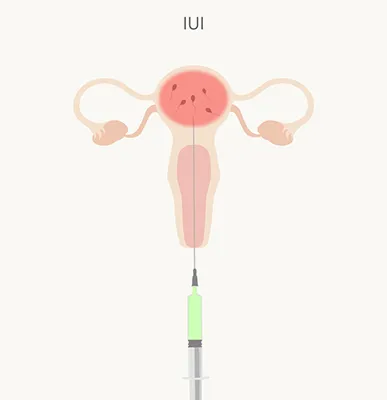
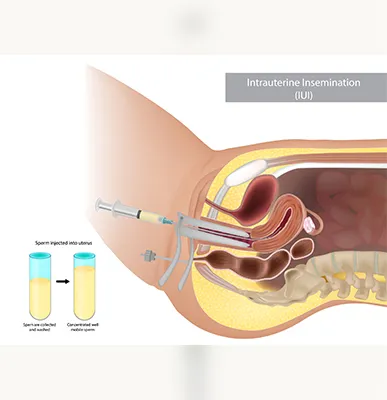
Intrauterine Insemination (IUI) is a popular and effective fertility treatment that helps couples conceive by placing sperm directly into the uterus. Normally, sperm must travel through the cervix, uterus, and fallopian tubes to meet the egg, a journey that can sometimes be challenging. With IUI, we make this journey easier by delivering the sperm directly into the uterus, increasing the chances of sperm reaching the egg for fertilization.
Think of IUI as offering sperm a shortcut—rather than navigating the entire reproductive tract, we help them get closer to the egg, making their path simpler and improving the chances of pregnancy.
IUI may be a suitable fertility treatment if you're experiencing any of the following challenges:
IUI is often a great next step in the fertility journey, especially when simpler treatments don’t yield results.
The IUI procedure is straightforward and minimally invasive. Here’s what you can expect:
Like any medical procedure, IUI carries a few risks, though they are generally low. So consider:
IUI success rates vary depending on various factors, particularly age and the reason for infertility. Here's what you can expect:
Remember, IUI success rates depend on several factors:
Many couples need several attempts to succeed, and some may conceive in their first cycle, while others may need 3-4 tries before achieving pregnancy.
IUI is a simple fertility treatment where healthy sperm is placed directly into your uterus during ovulation. Think of it as giving the sperm a head start on their journey to meet the egg. It's less invasive and more affordable than IVF.
The actual procedure is quick - usually just about 5-10 minutes. You can resume your normal activities right after. It feels similar to a regular pelvic exam, and most women describe it as causing minimal discomfort.
IUI might be right for you if you have unexplained fertility issues, mild male factor infertility, or if you're using donor sperm. It's often recommended as a first step before moving to more complex treatments.
Success rates vary by age and your specific situation. Healthy couples typically have a 15-20% chance of pregnancy per IUI cycle. We'll discuss your personal likelihood of success based on your unique factors.
Most doctors recommend trying 3-4 IUI cycles before considering other options. If pregnancy hasn't occurred after 3-4 tries, we'll sit down together and discuss whether continuing with IUI or switching to other treatments might be better for your situation.
